GSA SER Contextual Backlinks
GSA SER Contextual Backlinks
Introduction
Link building remains a cornerstone of search engine optimization, and automation tools have made it easier to scale certain types of campaigns. Among these tools, GSA SER contextual backlinks have become a topic of both opportunity and caution. When used with a clear strategy, GSA Search Engine Ranker can place links inside relevant article bodies, comment sections, and niche-relevant pages, forming contextual backlinks that search engines may value differently than profile or forum links. This article explores what these backlinks are, how GSA SER generates them, the best practices to follow, and the answers to common questions about their place in modern SEO.
What Is GSA SER?
GSA Search Engine Ranker (GSA SER) is a desktop-based link building tool designed to automate the submission of backlinks to a vast variety of platforms. It supports thousands of engine types, including article directories, web 2.0 blogs, wiki pages, social bookmarks, forum profiles, and comment systems. The software can create accounts, verify emails with captcha-solving services, and post content based on user-defined templates. Because it can run on multiple threads and proxies, it is capable of building thousands of links in a short time.
What Are Contextual Backlinks?
A contextual backlink is a link placed within the body of a piece of content, surrounded by relevant text. Unlike a link in a sidebar, footer, or author bio, a contextual link is embedded in an article, blog post, or page’s main content area. Search engines like Google often consider contextual links to carry more editorial weight because they are surrounded by semantically related information, which helps define the link’s purpose and authority. When used ethically, contextual backlinks improve user experience by providing a natural path to additional resources.
GSA SER Contextual Backlinks in Practice
GSA SER contextual backlinks are generated when the software finds and posts on platforms that allow text articles, blog comments, or forum posts where the link appears inside the main content block. The tool can fill in spinning syntax, pull article content from scraped sources, or insert user-provided paragraphs, which means each link is surrounded by a custom text snippet. This makes the backlink truly contextual rather than a naked URL dropped into a profile field.
Platforms That Produce Contextual Links
GSA SER targets multiple platform types to generate context-rich placements. The most common include:
- Web 2.0 blogs (platforms like WordPress.com, Blogger, Tumblr)
- Article directories that accept spun or unique articles
- Social network groups and posts (where allowed)
- Forum threads and discussion replies
- Blog comment systems (when used with care)
- Wiki sites and documentation pages
- Guestbook and shoutbox entries (though limited in true context)
Among these, web 2.0 blogs and article-based engines offer the most authentic contextual environments because the link sits inside a full article or post.
How GSA SER Inserts Context Around Links
The software uses text templates and spintax to generate unique content for each submission. A typical campaign might include a paragraph of related text followed by a hyperlink with a chosen anchor text. By blending spintax at the word, phrase, and sentence level, the content around the link appears unique enough to satisfy many platforms. Advanced users add images, videos, or author boxes to deepen the context. The result is a backlink that appears inside a readable article or comment, not as an isolated URL, which is the hallmark of GSA SER contextual backlinks.
Setting Up a Campaign for Contextual Backlinks
A successful campaign requires careful configuration to ensure the links are placed in relevant, readable content. The following steps outline the typical setup process.
1. Choose the Right Engines
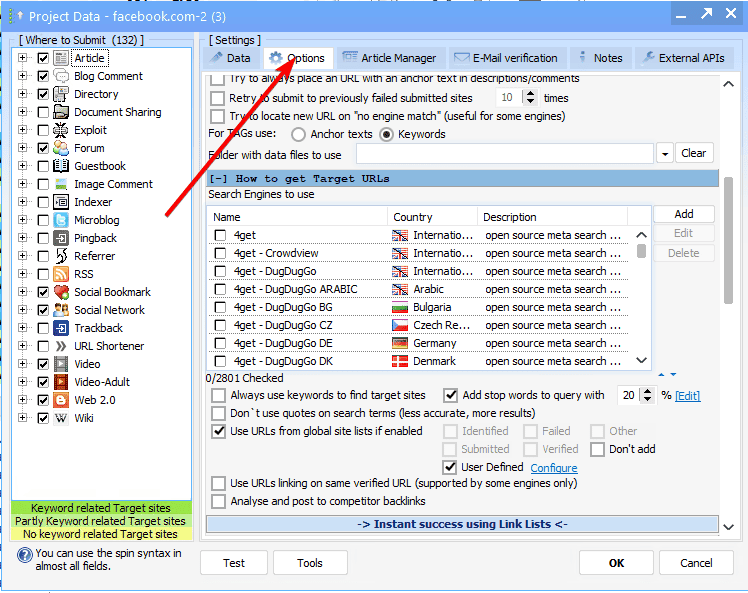
Start by filtering GSA SER’s engine list to include only platforms that allow body text – such as Article, Web 2.0, Blog Comment, and Forum engines. Avoid engines that only place links in profile sections, footers, or author boxes if your goal is pure contextual placement. Many users create a separate project specifically for context-rich sites.
2. Prepare High-Quality Content Templates
Load the project with well-written, niche-relevant article snippets. A common approach is to create 5–7 spun articles of 200–400 words each, each containing a placeholder for the link. For example:
"In the field of organic gardening, many experts recommend using natural compost accelerators. You can learn more about this topic by visiting {link here}. This method helps soil microbiology while reducing waste."
The hyperlink can be inserted using the automated link building campaign setup macro or by directly placing HTML around the anchor text. Spintax makes each post unique, so the surrounding context varies across thousands of submissions.
3. Use a Diverse Anchor Text Profile
To avoid over-optimization penalties, mix branded anchors, generic anchors (click here), naked URLs, and partial-match keywords. GSA SER allows you to upload an anchor text list with usage percentages. For contextual links, partial-match keywords generally work best because they flow naturally inside a sentence.
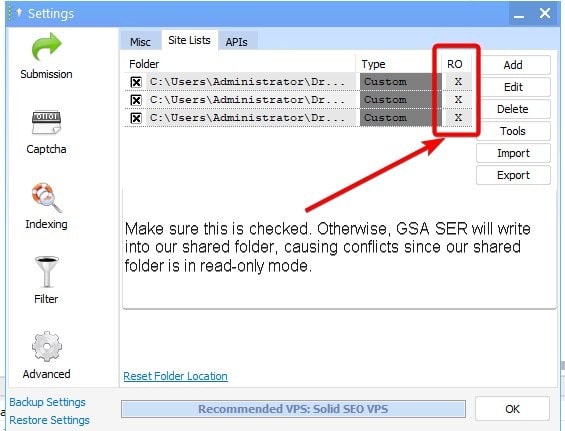
4. Configure Posting and Verification Settings
Proper proxy rotation, captcha solving services, and email verification are essential. Use private proxies to avoid IP bans. Set reasonable thread counts and delays to mimic human behavior. Activate the option to verify links after submission and re-submit failed posts if needed.
5. Select Tiered Linking or Direct Money Site Targeting
Many SEOs never point GSA SER contextual backlinks directly at a money site. Instead, they build first-tier contextual links to high-quality web 2.0 properties or niche edits, then use GSA to build lower-tier links to those buffers. This approach insulates the main site from low-quality or spammy neighborhoods while still passing link equity through the tier.
Best Practices to Maximize Value and Reduce Risk
Not all automatically generated contextual links are equal. Following these best practices helps separate a thoughtful campaign from a spam blast.
- Focus on Relevance: Use keyword-defined engines and scrape or spin content that is topically related to the target page. Irrelevance dilutes contextual value.
- Limit Daily Volume: A gradual link velocity looks more natural. Instead of 500 links per day, consider 50–100 across diverse domains.
- Diversify Platforms: Mix web 2.0 blogs, high-DA article sites, and forum threads to build a natural backlink profile.
- Indexing is Crucial: Many links will be on obscure pages. Use indexers or build second-tier links to force crawling so search engines discover the contextual placements.
- Filter Out Toxic Domains: GSA SER can be integrated with link analysis tools to blacklist domains with high spam scores or adult content, keeping your graph cleaner.
- Add Value with External Context: Embed authoritative citations, images, or relevant videos in your spun articles. Rich context signals higher quality.
Common Pitfalls of Automated Contextual Link Building
Relying solely on GSA SER contextual backlinks can lead to problems if not managed. Over-spinning may create incoherent text that damages user experience and increases bounce rates, diminishing the contextual signal. Posting thin content on low-tier sites can trigger algorithmic filters. Additionally, if you point these links directly at a commercial landing page without a buffer, you risk manual penalties. Many webmasters therefore use contextual campaigns strictly as support for a broader, manual link building core.
Frequently Asked Questions
Are GSA SER contextual backlinks safe for a new website?
They can be, but only when used indirectly. For a brand-new site with no existing authority, blasting contextual links may appear manipulative. A better approach is to build quality foundational links first, then use a low-velocity tiered structure where GSA contextual links point to parasite pages or web 2.0 buffers, not the money site directly.
How do contextual backlinks from GSA SER compare to manual outreach links?
Manual outreach and guest posting typically yield links on trusted, high-traffic domains with real editorial oversight. GSA SER contextual links vary widely in domain authority and trust; many will be on low-quality or abandoned sites. For this reason, they are often used for diversification and supporting tiers rather than as primary link assets.
Can I use GSA SER only for contextual links?
Yes. By selecting only engines that support body content and disabling profile-only platforms, you can create a campaign focused entirely on contextual placements. However, you may still need some non-contextual links (like social bookmarks) to improve indexation rates, so a small percentage of supporting links is common.
What types of content work best for contextual GSA SER links?
Short educational paragraphs, how-to snippets, and informative intros tend to attract fewer rejections. Avoid sales-heavy language. The content should read like a natural contribution to a discussion or a blog post, embedding the link where it genuinely helps the reader. Spintax that creates multiple variant sentences per topic yields the most natural feel.
Do search engines still value automatically created contextual backlinks?
Search engines are increasingly good at detecting automated patterns. However, when GSA SER contextual backlinks are built on quality platforms with unique, readable content and sensible anchor text, they can still contribute to ranking signals, especially for lower-competition keywords or as part of a tiered structure. Their value depends entirely on execution and the absence of footprint patterns.
How can I track the performance of my contextual links from GSA SER?
Use the built-in verified-link log and export the URLs to a backlink monitoring tool like Ahrefs or Scrapebox’s link checker. Track which domains get indexed and how their metrics change over time. Observe organic traffic trends using analytics and Search Console to see if the tiered structure correlates with movement. No single tool will give a complete picture, so combine several data sources.